India is a country of diversity, complexity, and challenges. With a population of over 1.3 billion people, India faces many issues such as poverty, inequality, illiteracy, health, environment, and human rights. While the government has the primary responsibility to address these issues, it cannot do it alone. It needs the support and collaboration of various stakeholders, including the civil society.
That's where NGOs come in. NGOs, or non-governmental organizations, are private organizations that pursue activities to relieve suffering, promote the interests of the poor, protect the environment, provide basic social services, or undertake community development. NGOs are also called civil society organizations, charitable organizations, voluntary organizations, etc.
According to the World Bank, India may have the largest number of active NGOs in the world. However, the specific number of NGOs is not available¹. These NGOs are engaged in diverse activities, relating to human and labour rights, gender issues, healthcare, environment, education, legal aid, and even research.
NGOs play a vital role in the development of India, by bridging the gap between the government and the people, especially the marginalized and disadvantaged sections of society. NGOs also bring innovation, flexibility, and expertise to the policymaking and implementation process, by providing independent research and analysis, and by advocating for the rights and interests of the public. NGOs also foster a culture of democracy, accountability, and participation, by empowering the people to voice their concerns and demands, and by holding the government and other actors responsible for their actions.
However, NGOs in India also face many challenges and threats, such as lack of funds, resources, and capacity, legal and regulatory hurdles, political and social hostility, and even violence. In recent years, the government has introduced several amendments to the Foreign Contribution Regulation Act (FCRA), 2010, which regulates the foreign funding and activities of NGOs. These amendments have imposed stringent conditions and restrictions on NGOs, such as capping the administrative expenses, requiring a specific bank account, prohibiting the transfer of grants, and giving sweeping powers to the Ministry of Home Affairs to cancel the FCRA certificate of an NGO².
These amendments have been criticized by many civil society groups and international organizations, as they threaten the autonomy, transparency, and effectiveness of NGOs, and violate the constitutional and international norms of freedom of association and expression. These amendments also undermine the role and contribution of NGOs in the development sector of India, as they hamper their collaboration, innovation, and advocacy.
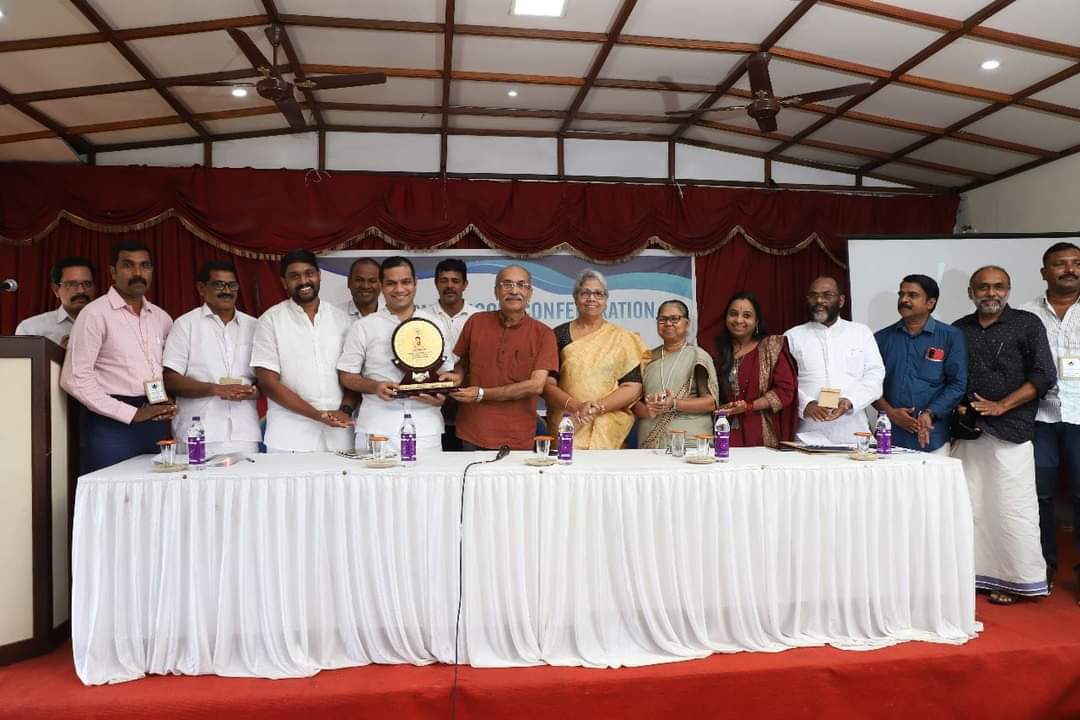
One of the NGOs that is affected by these amendments is the National NGO's Confederation, which is a collaborative platform that brings together NGOs in close partnership with both Central and State Governments. The Confederation was founded with the mission to establish seamless communication between government bodies and NGOs, and to enhance the efficiency and effectiveness of each NGO. The Confederation also has a clear vision of creating a brighter future, by building a robust and inclusive platform where NGOs unite in the pursuit of progress. The Confederation also adheres to the values of creativity, unity, respect, integrity, and excellence, in all its activities and interactions.
The Confederation is currently implementing the Integrated Coastal Project, which is a project that aims to provide tools for communities that depend on the sea for livelihood in India. The project covers the coastal areas of Kerala, Tamil Nadu, Andhra Pradesh, and Odisha, and provides tools such as fiber boats, fishing nets, motors, etc., to the coastal communities. The project also provides training and capacity building on sustainable fishing practices, coastal management, and disaster preparedness. The project also empowers the coastal communities to participate in the decision-making and governance processes related to their coastal resources and livelihoods.
The Integrated Coastal Project is an example of how NGOs like the Confederation can make a positive difference for the people and the planet, by addressing the needs and challenges of the coastal communities in India, who face the threats of climate change, natural disasters, overfishing, pollution, habitat degradation, and socio-economic marginalization. The project also aligns with the United Nations Sustainable Development Goals, especially Goal 14: Life Below Water, which calls for the conservation and sustainable use of the oceans, seas, and marine resources for sustainable development.
However, the Integrated Coastal Project, and other similar projects by the Confederation and other NGOs, are at risk of being disrupted or discontinued, due to the new FCRA amendments. These amendments will affect the flow of foreign funding and development aid, and the collaboration and innovation of the NGOs. These amendments will also affect the ideals of environmentalism, human rights, and civil liberties, which are the pillars of India's soft power and democracy.
Therefore, there is an urgent need to rethink and revise the FCRA amendments, and to create a more conducive and supportive environment for NGOs in India. There is a need to balance between the autonomy of NGOs and the government's imperative to check the NGOs that are engaged in illegal or anti-national activities. There is a need to ensure that NGOs are transparent and accountable, but also respected and protected. There is a need to recognize and appreciate the role and contribution of NGOs in the development of India, and to collaborate and cooperate with them, rather than to constrain and control them.
India needs NGOs like the National NGO's Confederation, because they are the agents of change and transformation, who work for the welfare and empowerment of the people, especially the poor and the marginalized. They are the partners of the government, who complement and supplement its efforts and initiatives, and who bring new perspectives and solutions to the complex and dynamic problems of the country. They are the voice of the people, who speak for their rights and interests, and who hold the government and other actors accountable for their actions.
India needs NGOs like the National NGO's Confederation, because they are the pillars of democracy, who uphold the values of freedom, justice, and equality, and who foster a culture of participation, accountability, and innovation. They are the assets of the nation, who enhance its soft power and reputation, and who contribute to its progress and prosperity.
If you are interested in joining or supporting the National NGO's Confederation, or any of its projects, you can contact them for more information and guidance. You can also visit their website or follow them on social media platforms, such as Facebook and Twitter, for updates and news. You can also read more about the relevance and role of NGOs in India from the sources I found for you.